Key Takeaways:
- Most vending operators need to register a business, obtain a seller’s permit, and secure any local permits required by their city or county before placing a machine.
- Requirements vary significantly by state, so it’s important to check your state’s specific rules before you invest in equipment.
- Machines selling perishable food or drinks typically require additional health department approval.
- Operating without the correct license can result in fines, forced removal of your machine, or the loss of a valuable location.
- A little upfront paperwork protects your investment and makes it easier to win trust with property owners.
Starting a vending business is one of the more accessible ways to build a side income. However, before you install your first machine, you need to understand how to get a vending license. Licensing requirements protect you, your customers, and the property owner hosting your equipment, and skipping this step can cost you far more than the license itself. This guide walks you through exactly what to do, in order, so you can launch with confidence.
What Is a Vending Machine License?
A vending machine license is the general term for the combination of business registration, tax permits, and local approvals that allow you to legally place and operate a machine. It isn’t usually a single document. Instead, it’s a small stack of registrations at the federal, state, and local level that, together, make your business official.
Because there is no single federal vending license, obtaining a vending license depends entirely on where you plan to operate. A machine in a Texas office building and a machine in a California hospital lobby may require completely different forms, fees, and timelines.
How to Get a Vending License: Step-by-Step
If you are looking for a step by step how to get vending machine license process, follow these six steps in order. Completing them in this sequence will save you from having to backtrack later.
Step 1: Register Your Business
Before you can apply for any permits, you need a registered business entity. Many operators choose to form an LLC to separate personal assets from business liability, though a sole proprietorship is also an option in most states.
Step 2: Get an EIN
An Employer Identification Number (EIN) works like a Social Security number for your business. It’s free through the IRS website, and most states require it before they will issue a sales tax permit.
Step 3: Apply for a Seller’s Permit or Sales Tax License
Vending sales are subject to sales tax in nearly every state. Your state’s Department of Revenue (or equivalent agency) will issue a seller’s permit that allows you to legally collect and remit tax on every item sold.
Step 4: Secure Local and State Vending Permits
This is the step most new operators overlook. On top of your state registration, many cities and counties require a separate vending permit or business license for each machine you place. If you’re wondering how to get a permit for a vending machine in your specific city, start with your local clerk’s office, since they can tell you whether a per-machine fee or an annual operator license applies.
Step 5: Get Health Department Approval, If Applicable
If your machine sells perishable items like milk, fresh sandwiches, or dairy-based products, your local health department will likely require an inspection to confirm your unit maintains proper food safety standards. Machines that only sell shelf-stable snacks typically skip this step.
Step 6: Purchase Liability Insurance
While insurance isn’t a license, most property owners will not sign a placement agreement without it. A basic commercial liability policy protects you if a machine tips over or a customer has a complaint about a product.
State-Level Requirements for Vending Machines
Because state level requirements for vending machines differ so widely, it’s worth checking your specific state before you budget for licensing. Here’s a general look at how a few states handle the process:
| State |
Typical Requirement |
Approximate Annual Fee |
| California |
Seller’s permit through the Department of Tax and Fee Administration |
Varies by county |
| Texas |
Sales tax permit through the Comptroller’s office |
No state fee, local permits may apply |
| Florida |
Business license plus a Department of Revenue sales tax permit |
Varies by county |
| Alabama |
State vending machine decal or license |
Around $75 per year |
Note: Fees and requirements change frequently. Always confirm current rates with your state’s Department of Revenue or Secretary of State before applying.
How Much Does a Vending License Cost?
Licensing costs are typically one of the smaller line items in your startup costs. Most business registrations, EINs, and seller’s permits cost little to nothing, though some states charge a modest annual renewal fee. Local vending permits are usually priced per machine and can range from $10 to $100 or more per year, depending on your city.
Common Licensing Mistakes to Avoid
- Assuming one license covers every location: A permit in one city rarely transfers to another. Check requirements every time you add a new stop to your route.
- Skipping the local permit because you already have a state license: Many cities require their own registration on top of state paperwork.
- Forgetting to renew: Licenses often expire annually. Set a calendar reminder so you never operate on an expired permit.
- Placing a food machine without a health inspection: This is one of the fastest ways to lose a location and face fines.
Ready to Launch Your Vending Business?
Getting your paperwork in order is one of the most important steps toward building a reliable, profitable vending route. Once you’re properly licensed, the next step is finding a location and choosing the right equipment for your audience.
At Vending.com, we help new and growing operators every day with reliable equipment, financing options, and expert guidance on getting your business off the ground the right way.
Ready to get started? Contact our team or call us at 1-855-965-0931 today!

 Hello and welcome to the Vending.com Blog! Here at our blog, we will keep you updated on our latest products and promotions, and we will suggest some great ways to utilize our acclaimed vending machines.
 Just how profitable are vending machines? How much money you can make with vending machines will depend on a number of factors. High traffic locations with a soda vending machine, a candy machine and a snack machine will make more than one or two bulk snack machines. Also,
 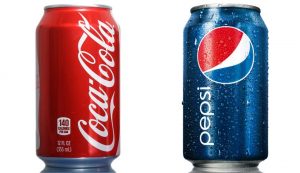 Increasingly, consumers are turning away from carbonated beverages and sodas, leading to a soda sales decline. According to a recent report from Cowen and Company that analyzed Nielsen xAOC sales data, sales of carbonated drinks marked